
Somewhere between the product photo and the “add to cart” button, most product pages give up on SEO entirely. They get treated like filler content wedged between a real blog strategy and a real ecommerce plan, and then everyone wonders why organic traffic never touches them.
Treating SEO for product pages as an afterthought is where most ecommerce strategies quietly lose revenue. This is the layer that actually moves people from a Google search to a completed sale, and it deserves the same rigor most brands reserve for their blog or homepage. Optimizing product pages means fixing site structure, cleaning up the backend signals search engines rely on, and writing descriptions that read like they came from someone who understands the product.
Here’s where it actually breaks down first: a handful of small, fixable leaks are draining traffic off your product pages before a shopper ever sees the “add to cart” button.
The 6 Organic Traffic Leaks Costing You Sales on Every Product Page

Every unoptimized product page is a small leak in an otherwise solid SEO strategy, and leaks add up fast across a catalog of hundreds or thousands of items. Here are six of the most common ways ecommerce product pages lose organic traffic before a sale ever has a chance to happen:
- Bland or Duplicate Manufacturer Descriptions Killing Your Uniqueness
Copying manufacturer copy word for word onto a product page tells search engines nothing about the page is unique, and swapping in a few bland lines just to fill the space doesn’t solve the underlying problem. Google devalues duplicate content across ecommerce product pages, which quietly caps how well any of them can rank.
- Orphan Product Pages With Zero Internal Links
A product page with no internal links pointing to it is invisible to crawlers and to shoppers browsing the site. Orphan pages rarely get indexed properly, and even when they do, they carry none of the authority passed down through internal links.
- Missing or Broken Schema Markup
Without structured data, search engines have to guess at price, availability, and reviews instead of reading them directly from the page. Missing or broken schema markup means product pages lose out on rich results that competitors are already claiming.
- Out-of-Stock Pages Treated as a Dead End
The moment a product sells out, many sites either delete the page or let it 404, erasing every backlink and ranking signal it built up over time. The solutions to this are nuanced and indiscriminately redirecting every OOS product page is also a mistake. The right move depends on whether the product is coming back, gone for good, or seasonal, but “delete and forget” is rarely the answer.
- Large Product Images Slowing Down Every Load
Large, unoptimized product images are one of the most common reasons ecommerce product pages load slowly. Google’s own research found that just over half of mobile visitors abandon a page that takes longer than three seconds to load, and heavy product images are frequently the cause.
- Category Pages Quietly Cannibalizing Your Products
When a category page and its product pages target the same keyword, they end up competing against each other instead of your actual competitors. This kind of cannibalization confuses search engines about which page deserves to rank.
5 Product Page Examples That Prove SEO & Design Aren’t Enemies
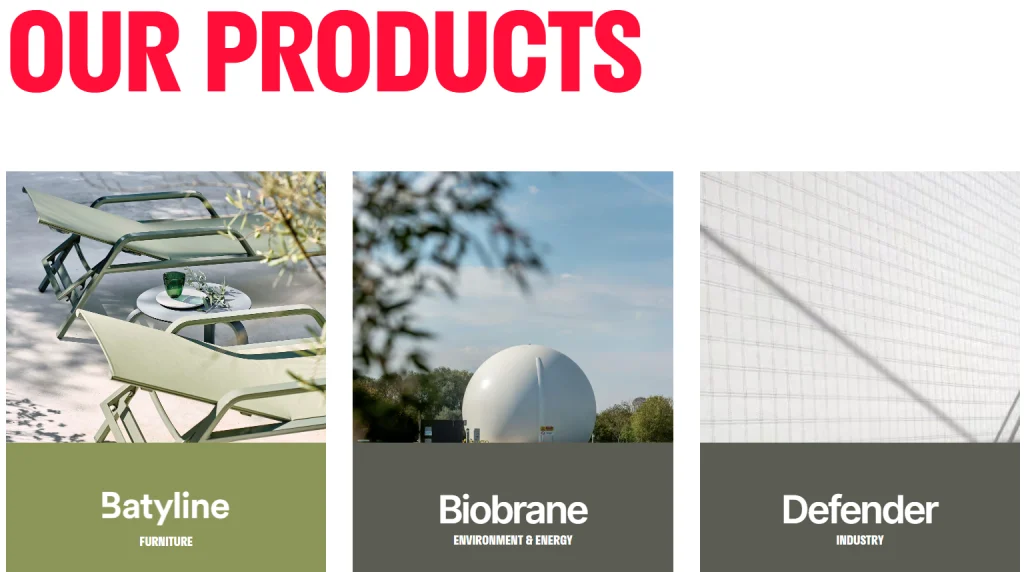
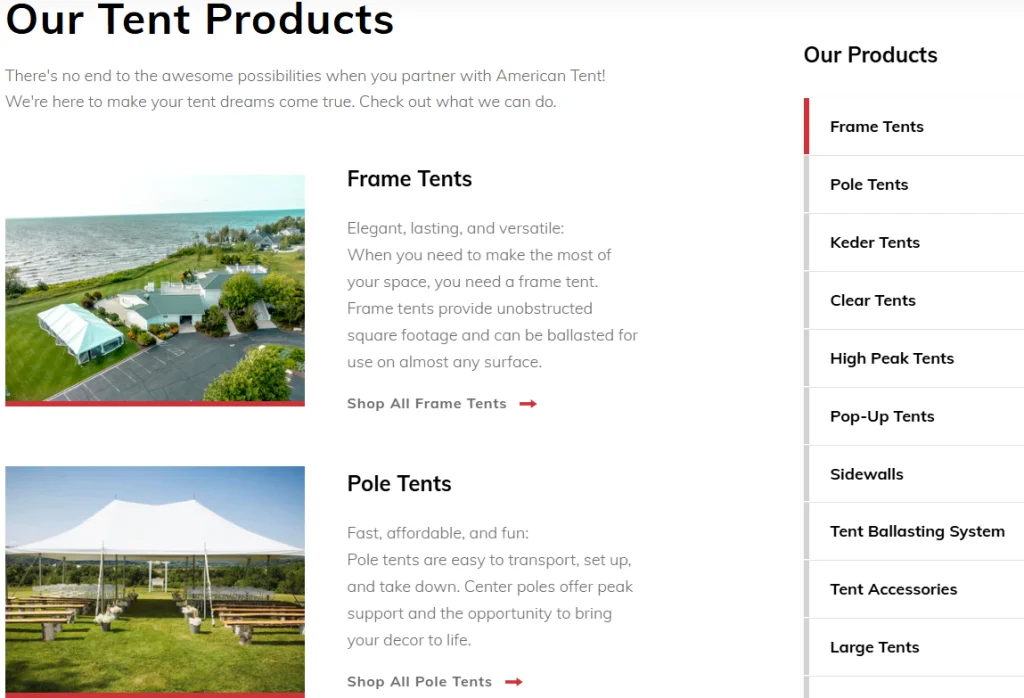
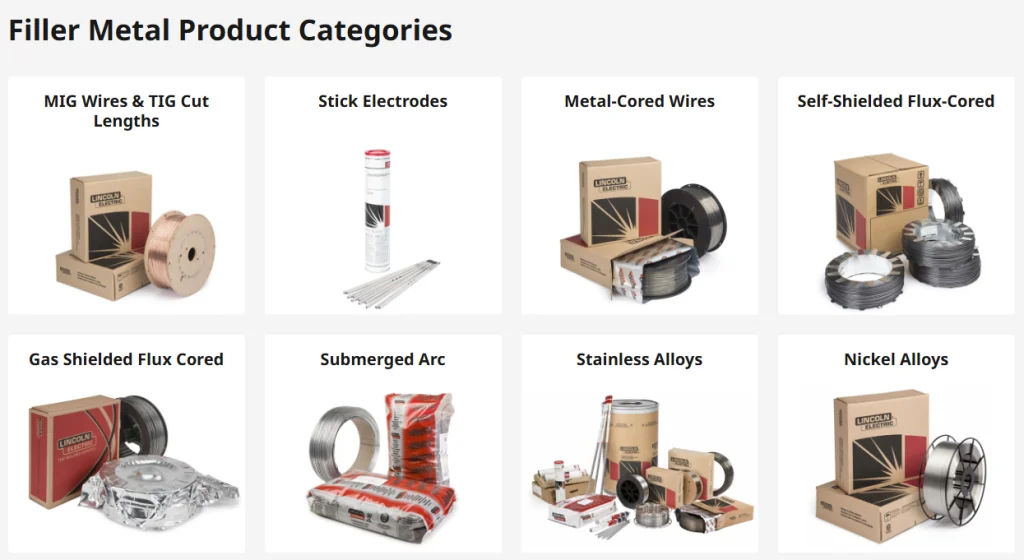
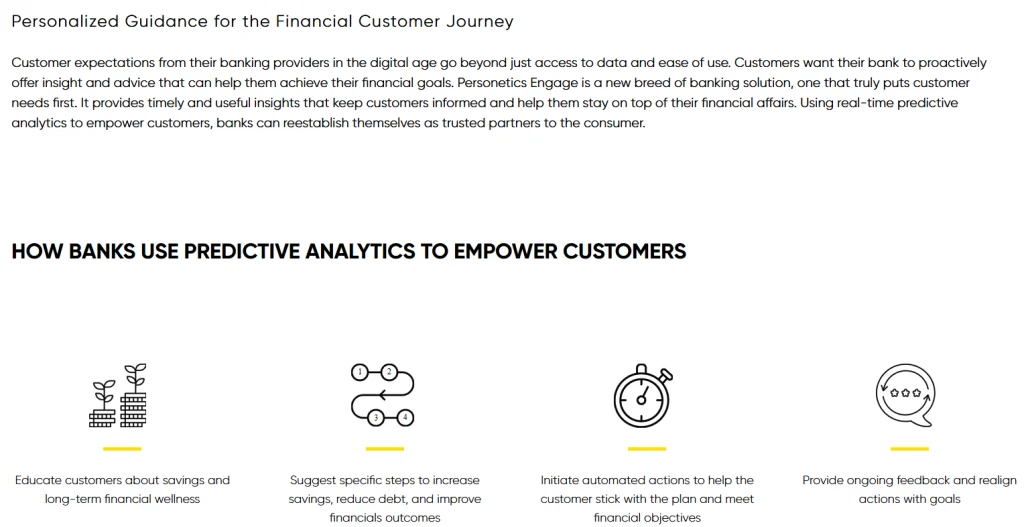
Good product page SEO doesn’t require sacrificing good design, and the five examples below show what it looks like when a brand gets both right. Each one balances clean site structure and the technical basics with a layout that still gives shoppers what they need to make a decision, proof that optimizing product pages and building a page people actually want to look at can happen at the same time.
- Serge Ferrari https://www.sergeferrari.com/en/products/
- American Tent: https://americantent.com/pages/start-shopping
- Lincoln Electric https://www.lincolnelectric.com/en/Products/Filler-Metals
- Simplicity: https://simplicity.com/patterns-by-category

- Personetics: https://personetics.com/products/engage/
The 8 Point Checklist to Optimize Product Pages Most Brands Skip Entirely

Most ecommerce sites treat product page SEO as an afterthought, publishing pages fast and fixing them later, if ever. This checklist covers the eight fundamentals that actually move rankings, not the surface-level tips most guides recycle.
- Keyword Research Before You Write a Single Word
Every product page should target a specific keyword or query before a single sentence gets written. Skipping this step means guessing at what potential customers are actually searching for.
- Product Titles That Include Your Primary Keyword Naturally
The product title, along with the title tag built from it, is one of the strongest on-page signals search engines use to understand what the page sells. Working the primary keyword into the product name naturally, without stuffing it, keeps the title useful to both search engines and shoppers.
- Meta Titles and Descriptions Built for Click-Through
A meta title and meta description do not directly boost rankings, but they decide whether someone clicks your result over a competitor’s in the search results. Writing them around the product’s actual selling point improves click-through rates more than a generic template ever will.
- Descriptive URLs Search Engines and Users Understand
A URL like /product/12345 tells search engines and shoppers nothing about what’s on the page. A descriptive URL that includes the product name helps both crawlers and customers understand the page before they click.
- High-Quality Images With Optimized File Names and Alt Text
High-quality images help customers evaluate a product they cannot physically touch, and descriptive file names and alt text help search engines index those photos for image search, which is its own quiet advantage for image SEO. Skipping alt text means missing an easy, low-effort ranking opportunity.
- Breadcrumb Navigation That Reinforces Site Structure
Breadcrumb navigation shows search engines exactly where a product page sits within the category page hierarchy. It also gives shoppers an easy way to move backward through the site without hitting the back button.
- Product Descriptions Written for Humans First
A well-written product description answers the questions a shopper already has before they ask them. Writing for the person reading the page, not just keyword density, tends to help both conversion and ranking over time.
- Customer Reviews Displayed Directly on the Page
Reviews shape purchase decisions and search rankings at the same time. Research from Northwestern’s Spiegel Research Center found that a product with five displayed reviews sees purchase likelihood rise by roughly 270% compared to one with none.
Your Competitors Aren’t Waiting. Neither Should Your Product Pages.
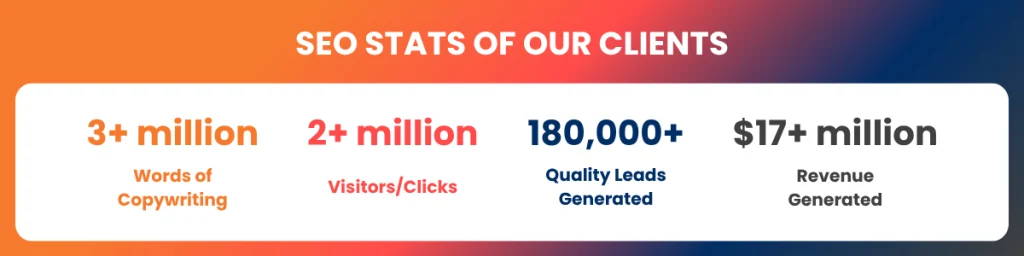
Every day a product page sits unoptimized is another day a competitor’s page shows up first in the results. Fixing site structure, URLs, and internal linking is not glamorous work, but it is the work that actually moves rankings.
Why Stuff Sucks® has spent years untangling exactly this kind of technical debt for ecommerce and service-based clients alike. Reach out now if your product pages need a structural fix instead of another surface-level audit.
URL Folder Structure 101: Building a Foundation Search Engines Can Easily Crawl At Scale
URL structure rarely gets attention until something breaks, but it is one of the clearest signals search engines use to understand how a site is organized. Getting it right the first time saves a painful redirect cleanup project later.
- Keep URLs Short, Descriptive, and Keyword-Rich
A short URL that includes the product name is easier for search engines to parse and easier for a customer to remember or share. Stuffing extra words in just to hit a keyword count usually does more harm than good.
- Choose a Logical Category-to-Product Hierarchy
A URL structure like /category/subcategory/product-name shows search engines exactly how a product fits into the rest of the site. This hierarchy also helps distribute authority from category pages down to the individual products beneath them.
- Avoid Dynamic Parameters and Session IDs
URLs full of question marks, ampersands, and session IDs create duplicate content risk and confuse crawlers trying to index the page. A clean, static URL avoids that risk entirely and is far easier to track in analytics.
- Use Hyphens, Never Underscores or Spaces
Search engines read hyphens as word separators, but they often read underscores as one continuous string of text. A URL like /custom-leather-belts reads correctly, while /custom_leather_belts can get misread by crawlers entirely.
- Redirect Discontinued Products Instead of Deleting Them
When a product gets discontinued, redirecting its URL to a newer or related product keeps whatever ranking equity that page had built over time. Simply deleting the page and letting it 404 wastes every backlink and ranking signal it earned.
7 Back-End Tactics That Get Product Pages Crawled & Indexed Properly

Great copy and clean URLs mean nothing if search engines cannot crawl and index the page correctly in the first place. These seven backend tactics fix the technical SEO issues that quietly keep well-optimized product pages out of search results.
- Implement Product Schema Markup Correctly
Product schema markup tells search engines exactly what is being sold, at what price, and whether it’s in stock, without requiring any guesswork. Getting the markup validated correctly is what unlocks eligibility for rich results in the first place.
- Add Review and Rating Schema for Rich Snippets
Review and rating schema is what allows star ratings to show up directly in search results next to a product listing. Those rich snippets tend to improve click-through rates simply because they stand out from plain text listings.
- Use Canonical Tags to Prevent Duplicate Content Issues
Product variants, filtered views, and tracking parameters can all create multiple URLs pointing to what is essentially the same page. A canonical tag tells search engines which version should actually get indexed and ranked.
- Submit an Updated XML Sitemap for Product Pages
An XML sitemap gives search engines a direct map of every product page that should be crawled and indexed. Keeping it updated as products are added or discontinued helps new pages get discovered faster and prevents dead pages from lingering in the index.
- Fix Crawl Budget Waste From Faceted Navigation
Faceted navigation filters, like size, color, and price range, can generate thousands of near-duplicate URLs on a large ecommerce site. Left unchecked, this wastes crawl budget on pages nobody needed indexed in the first place.
- Optimize Robots.txt to Guide Crawlers, Not Block Them
A robots.txt file should direct crawlers toward pages that matter and away from admin pages, filtered views, or duplicate content. A single misconfigured line, however, can accidentally block product pages from being crawled entirely.
- Monitor Index Coverage Reports for Silent Errors
Index coverage reports flag pages that search engines tried to crawl but could not properly index, often without anyone noticing until traffic drops. Checking this report regularly catches SEO issues long before they show up in a ranking report.
8 One-Of-A-Kind Benefits You’ll Only Get From A GEO Strategy
AEO is an entirely new field in the world of SEO, which means that it provides advantages that have never been accessible before. With a properly constructed AEO strategy, you can start gaining the following benefits:| Benefit | Explanation |
| Citation Inside The Answer Itself, Not A Link Below It | AI-generated answers put your brand’s name and expertise directly in the response the buyer reads, instead of a link buried in a list they have to sift through. |
| One Piece Of Content, Visibility Across Every AI Platform | The same page can get cited by ChatGPT, Perplexity, and Google AI Overviews all at once, multiplying your reach without building separate content for each platform. |
| Authority That Compounds As AI Models Retrain On Your Content | Every AI system that trains on the web going forward pulls from what you’ve already published, turning today’s content into tomorrow’s default source. |
| Citation Inclusion In Weeks, Not Months | Well-structured, already-authoritative pages can start showing up in AI answers within weeks, a pace traditional ranking improvements rarely match. |
| Zero-Click Impressions That Still Build Brand Trust | Even when a prospect never clicks through, seeing your brand named as the answer builds recognition that shows up later in branded searches and sales conversations. |
| Winner-Takes-Most Positioning In A Field With Few Slots | Traditional search results show ten competitors on one page, but AI answers usually cite only a handful of sources, meaning less competition once you’re in. |
| Reaching Buyers Before They Ever Type Into Google | Prospects increasingly start their research inside AI tools, giving you a shot at influencing the decision before they open a search engine at all. |
| Your Content Becomes Tomorrow’s AI Training Data | Every page you publish acts as an investment, since today’s authoritative content becomes source material future AI models are trained on. |
- 42% visibility in AI searches vs several competitors at 19% & 6%
- AI/LLM traffic/clicks up 46% YTD vs similar period
Let’s Build an SEO Strategy Where Every Product Page Pulls Its Weight

Product pages sit closest to the moment a sale actually happens, yet they get treated like a technical afterthought compared to the rest of an ecommerce strategy. Every leak, broken schema tag, and thin description covered in this article represents traffic and revenue currently being left on the table. Fixing all of it at once is rarely realistic, but fixing it in the right order makes a measurable difference within a few months.
Why Stuff Sucks® has run this exact playbook across ecommerce and service-based clients selling everything from custom shoelaces to enterprise IT services. We handle the keyword research, the technical cleanup, and the writing, so product pages stop losing to pages that were simply built better.
Contact us to get a straight answer on what your product pages actually need instead of another generic audit.