Most car dealers are sitting on a goldmine of organic search potential and completely ignoring it. While you’re burning budget on third-party listing sites and paid ads, your competitors who invest in car dealer SEO are quietly capturing buyers before they ever see your inventory.
Search engine optimization puts your dealership in front of the right people at the right time, on Google, on Google Maps, and on the devices your buyers are glued to. This guide breaks down exactly what automotive SEO is, why it matters, and how to build a strategy that turns search engines into your most reliable sales channel.
How Automotive SEO Can Solve These 6 Common Challenges
Car dealerships face a set of SEO obstacles that most other local businesses never have to think about. The good news is that a smart automotive SEO strategy addresses each one head-on.
- Competing with Autotrader, Cars.com & CarGurus for the Same Eyeballs
Third-party listing giants dominate search engine results pages and have massive domain authority working in their favor. Automotive SEO helps your dealership carve out its own real estate in local search results and Google Maps, where those platforms have far less control.
- OEM Restrictions That Limit What You Can Say & How You Can Say It
Franchise dealerships often operate under manufacturer guidelines that restrict messaging, which makes SEO differentiation tricky. Focusing on local keywords, service department content, and community-driven pages gives you room to rank without stepping on OEM toes.
- Inventory That Changes Daily but Still Needs to Rank
A vehicle that sells today was a keyword opportunity yesterday, and managing that turnover is one of the messiest parts of dealership SEO. Structured inventory pages with clean URLs, proper redirects, and consistent metadata keep search engines happy even when your lot is constantly evolving.
- Getting Lost in a Market with Dozens of Local Dealerships
Local search is a crowded battlefield, especially in metro markets where multiple dealers sell the same brands within a few miles of each other. A strong local SEO strategy, built on a fully optimized Google Business Profile, local backlinks, and location-specific landing pages, is what separates the dealers who show up from the ones who don’t.
- Car Buyers Who Research for Weeks Before Ever Visiting a Lot
The average car buyer spends 14+ hours researching online before stepping foot in a showroom, and most of that research happens on search engines. Dealerships that create high-quality content targeting buyers at every stage of the car buying journey stay top of mind while competitors sit on the sideline.
- A Service Department That Nobody Knows Exists Online
Most dealerships pour SEO energy into their sales pages and leave the service department completely invisible in search results. Optimizing for service-related keywords like “oil change near me” or “brake repair [city]” opens up an entirely separate stream of local traffic and recurring revenue.
7 Ways Strong Search Rankings Give Your Dealership an Unfair Advantage

Paid ads stop working the moment you stop paying for them. Strong organic search rankings keep delivering long after the initial work is done.
- Puts You in Front of Buyers at the Exact Moment They’re Ready to Act
High-intent local searches like “used trucks for sale near me” or “Ford dealership in [city]” signal that a buyer is close to a decision. Ranking for those searches means your dealership is the first name they see when it matters most.
- Reduces Dependence on Paid Ads & Third-Party Listing Sites
Every dollar you spend on Cars.com or Google Ads is a dollar that disappears the moment the campaign ends. Organic search results build equity over time, reducing the cost per lead and your dependence on pay-to-play platforms.
- Builds Trust Before a Buyer Ever Steps on Your Lot
Buyers who find you through organic search have already spent time on your site, read your content, and seen your reviews. That’s a warmer lead than almost any other marketing channel can produce.
- Drives Qualified Traffic to Both Sales & Service Pages
A well-built automotive SEO strategy doesn’t just funnel buyers to your inventory, it surfaces your service department, parts pages, and financing options too. That means more touchpoints, more revenue streams, and a higher lifetime customer value.
- Compounds Over Time While Your Competitors Pay to Play
SEO is a long game, but the payoff is exponential, rankings that take months to build can drive traffic for years. Meanwhile, competitors still relying solely on paid ads are stuck in a cycle of spend-or-disappear.
- Turns Your Website Into a 24/7 Lead Generation Machine
An optimized car dealer website doesn’t clock out at 5pm. It captures search traffic, surfaces inventory, answers buyer questions, and drives form fills and calls around the clock.
- Keeps You Competitive Against Larger Dealer Groups
Big dealer groups have bigger budgets, but local SEO is one of the few arenas where a single-location dealership can outrank a massive group. Hyper-local relevance, community connections, and consistent reviews can beat deep pockets in local search.
8 Steps to an Automotive SEO Strategy That Actually Fills Your Showroom
Building an automotive SEO strategy from scratch sounds overwhelming, but broken into stages it’s entirely manageable. Follow these steps in order and you’ll build a foundation that keeps delivering:
- Start with a Technical SEO Audit
Before adding any new content or targeting new keywords, you need to know what’s broken under the hood. A technical audit surfaces site speed issues, broken links, crawl errors, duplicate content, and mobile usability problems that are quietly hurting your search rankings before you even start.
- Nail Your Google Business Profile
Your Google Business Profile is the single most important local SEO asset your dealership has. Make sure every field is complete, hours, categories, photos, services, and Q&A, and post updates regularly to signal to Google that your profile is active and worth showing.
- Build Out Location & Service Pages
Generic dealership pages that don’t rank for the specific searches can never drive real traffic. Dedicated landing pages for each service you offer and each city or neighborhood you serve give search engines clear, relevant signals and give buyers exactly what they’re looking for.
- Develop a Keyword Strategy Around Buyer Intent
Not all keywords are created equal, and chasing high-volume terms without understanding search intent is a waste of time. Map your target keywords to where buyers are in the decision process, from research to comparison to ready-to-buy, and build your content strategy around that map.
- Optimize Inventory Pages for Search
Manufacturer-supplied vehicle descriptions are identical across hundreds of dealerships, which means they’re worthless for SEO. Write original, keyword-rich descriptions for your inventory pages, use clean URL structures, and implement structured data so search engines can properly index and display your listings.
- Create Content That Answers Real Buyer Questions
A blog or resource section that addresses questions like “how to trade in a car with a loan balance” or “best family SUVs under $30k” puts your dealership in front of buyers early in their research. High-quality content builds authority, earns internal links, and keeps potential customers coming back to your site.
- Build Local Backlinks & Citations
Links from local news sites, community organizations, automotive blogs, and business directories tell search engines that your dealership is a legitimate, trusted part of the local market. Consistent name, address, and phone number (NAP) data across all directories is non-negotiable for local search performance.
- Track Performance with Google Analytics & Search Console
You can’t improve what you don’t measure. Set up goal tracking in Google Analytics to connect organic traffic to real dealership outcomes, form fills, call clicks, and direction requests, and use Google Search Console to monitor which keywords are driving impressions and where you’re leaving rankings on the table.
Want an SEO Strategy Built for Car Dealers, Not Cookie-Cutter Clients?
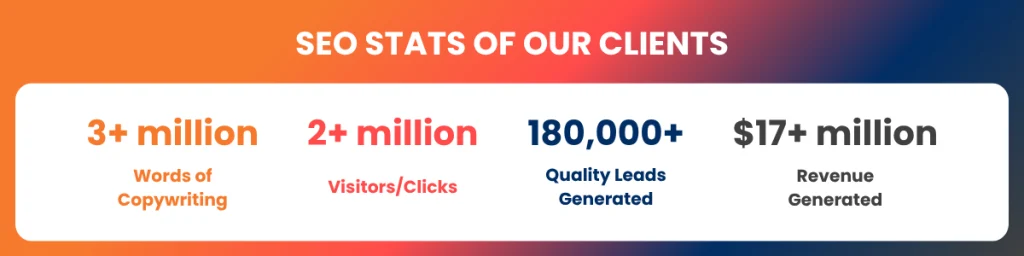
Most SEO agencies hand dealerships a generic playbook with your logo slapped on the cover. At Why Stuff Sucks, we build automotive SEO strategies around the specific make, market, and competitive landscape of your dealership, nothing templated, nothing recycled.
Reach out now and let’s talk about what a real car dealer SEO strategy looks like for your business.


Why Your Google Business Profile Is the Most Underused Tool in Local Search

When a buyer searches “car dealerships near me” or “Toyota dealer in [city],” the Google Map Pack is the first thing they see, and your Google Business Profile is what determines whether you show up there. A fully optimized profile with accurate hours, high-resolution photos, active Q&A, and a steady stream of customer reviews dramatically improves your visibility in local search.
Most dealerships claim their profile and then ignore it, which is a significant missed opportunity. Regular posts, updated inventory categories, and prompt responses to reviews signal to Google that your business is active and relevant.
Your Google Business Profile also feeds into Google Maps, which is where a huge share of local dealership searches end up, especially on mobile devices. Treat it like a living extension of your dealership website, not a set-it-and-forget-it checkbox.
How Leveraging User Generated Content Yields A Powerful Boost of AI Visibility
As one of the internet’s largest online messaging boards, a large quantity of AI’s training comes from forums like Reddit. As a result, the more your customers are talking about you online, the more AI scanning the web will see that you’re not only effective, but that you’re relevant.
An AI can never really try your services or products for themself, so they’ll rely upon the word of people on the internet from X (formerly Twitter) to Reddit to Quora, and even in your Google Business Profile or review sites like G2 & TrustPilot.
For one of our clients, a law firm, AI search increased:
- 26% visibility in AI search vs competitors at 17%, 12% & 9% for key topics that matter to them.
- AI sessions are up 16% Last 365 vs previous 365.
Just like standard SEO, third-party endorsements boost authority for AI agents seeking to evaluate which service is best for a particular query. The more reviews you have and the more online mentions your business is generating, the more likely an AI is to rank you highly and recommend you to a user.
Stop Targeting the Wrong Keywords; Here’s How to Find the Ones That Convert
Keyword research for car dealerships goes well beyond “used cars near me.” The buyers who actually convert are searching with far more specificity, and your SEO strategy needs to reflect that.
- Understand the Three Stages of the Car Buying Journey
Buyers move from awareness (“best SUVs for families”) to consideration (“2023 Honda Pilot vs Toyota Highlander”) to decision (“Honda Pilot for sale in [city]”) and each stage requires different content. Mapping your keyword strategy to these stages ensures you’re capturing potential customers throughout the entire research process, not just at the finish line.
- Use Keyword Tools to Find What Local Buyers Are Actually Searching
Tools like Google Search Console, Ahrefs, and SEMrush surface the exact search terms your local market is using, complete with volume and competition data. Start with broad automotive terms and drill down into local variations to find the specific keywords your car dealer website should be targeting.
- Prioritize Long-Tail Keywords Over Broad, High-Competition Terms
“Used cars” is nearly impossible to rank for, “certified pre-owned Honda Civic under $20k in [city]” is not. Long-tail keywords carry stronger buyer intent, face less competition, and convert at a significantly higher rate than their broad counterparts.
- Don’t Forget Service Department & Parts Keywords
Searches like “brake pad replacement near me” or “OEM parts for Ford F-150 [city]” represent high-intent, recurring traffic that most dealerships completely ignore. Optimizing your service department pages for these keywords opens a revenue stream that runs parallel to your sales SEO efforts.
- Map Keywords to the Right Pages on Your Site
Every keyword should have a home, a specific page on your site that’s optimized to rank for it. Assigning the right keywords to the right pages (inventory vs. service vs. blog) prevents cannibalization and sends clean, unambiguous signals to search engines about what each page is for.
- Keep an Eye on What Your Competitor Sites Are Ranking For
Competitor analysis reveals keyword gaps you can exploit and shows you which search terms are already driving traffic in your market. If the Ford dealership across town is ranking for a high-intent term you’re not targeting, that’s a roadmap, not a roadblock.
- Revisit & Refresh Your Keyword Strategy Regularly
Search trends shift with the seasons, new model releases, interest rate changes, and economic conditions. A keyword strategy that was spot-on last year may be missing the most valuable opportunities in your market today.
- Balance Search Volume with Buyer Intent
A keyword with 5,000 monthly searches means nothing if the people searching it have zero intent to buy. Prioritize relevant keywords that signal a readiness to purchase or schedule service over vanity terms that look impressive but don’t move inventory.
- Include Make, Model & Year Combinations in Your Keyword Mix
Buyers searching for “2022 Chevrolet Silverado 1500 for sale [city]” are not browsing, they know exactly what they want. Targeting make, model, and year combinations in your inventory pages and content captures the most purchase-ready segment of your car dealer SEO traffic.
The Off-Page SEO Moves That Build Dealership Authority Beyond Your Own Website

Off-page SEO is everything that happens outside your car dealer website that still influences where you rank. For dealerships, the most impactful off-page moves are earning quality backlinks from relevant local sources, local news outlets, community event pages, automotive blogs, and regional business directories.
Getting listed consistently across platforms like Yelp, the Better Business Bureau, and automotive-specific directories like Edmunds and Cars.com reinforces your NAP data and builds citation authority. Customer reviews on Google, third-party sites, and automotive platforms serve a dual purpose: they’re a trust signal for potential buyers and a ranking signal for local search.
Sponsoring local events, partnering with area businesses, and earning press mentions are all legitimate ways to accumulate the kind of referral traffic and link equity that strengthens your dealership’s online presence over time. Avoid link farms, paid link schemes, and spammy directory submissions, Google’s algorithm has seen every shortcut in the book and penalizes accordingly.
Your 7 Car Dealer SEO Questions, Answered Without the Runaround
Most car dealers have the same questions when it comes to SEO, and they deserve straight answers rather than vague promises and agency double-talk. Below are the questions we hear most often, along with honest answers that cut through the noise:
- How Long Does It Take for Car Dealer SEO to Show Results?
Most dealerships start seeing meaningful movement in their search rankings within 4 to 6 months of consistent SEO work, with more significant traffic gains typically arriving around the 9 to 12-month mark. SEO is a long-term investment, the results compound over time rather than arriving in a single spike.
- Do I Still Need SEO If I’m Already Running Google Ads?
Paid ads and organic search serve different purposes and work best together. Google Ads deliver immediate visibility but disappear the moment your budget does, while SEO builds lasting rankings that reduce your cost per lead over time.
- How Is Car Dealer SEO Different from SEO for Other Local Businesses?
Dealerships deal with challenges most local businesses never face, daily inventory turnover, OEM content restrictions, massive competition from national listing platforms, and the need to optimize for both sales and service simultaneously. That complexity requires an automotive-specific approach, not a one-size-fits-all local SEO playbook.
- Should Each Vehicle Listing Have Its Own Optimized Page?
Yes, and it should have original copy, not the manufacturer’s stock description that every other dealership is using. Each vehicle detail page is a long-tail keyword opportunity, and a well-structured, unique page gives search engines the specific signals needed to surface that listing in relevant search results.
- How Many Reviews Do I Need to Rank Well in Local Search?
There’s no magic number, but recency and response rate matter as much as volume. A dealership with 80 recent reviews and active responses will consistently outperform one with 200 stale reviews and radio silence.
- What Should I Do When a Vehicle Sells & the Page Goes Dead?
Never just delete the page, set up a proper 301 redirect to a relevant category page like your used inventory or new arrivals. Letting pages 404 wastes the authority those URLs may have accumulated and creates a poor experience for anyone who finds a dead link in search results.
- Is It Worth Hiring a Dedicated Automotive SEO Consultant vs. a General Agency?
A general agency can handle the basics, but automotive SEO has enough industry-specific nuance, inventory architecture, OEM guidelines, local pack optimization, vehicle schema, that a consultant with dealership experience will consistently outperform a generalist. The right specialist pays for themselves in the quality of leads they drive.
Ready to Turn Your Car Dealer Website Into Your Best Salesperson?

Your dealership website should be working harder than your highest-performing salesperson, capturing leads, surfacing inventory, and answering buyer questions around the clock. A focused car dealer SEO strategy is what makes that possible, and it’s exactly what we build at Why Stuff Sucks.
We’ve helped businesses across industries turn underperforming websites into lead-generation engines, and we bring that same no-BS approach to automotive SEO. Contact us today and let’s build a dealership SEO strategy that keeps your showroom busy and your service bays full.