
You’re grinding away at channel marketing, pouring your own budget into campaigns while your competitors tap into something you might be overlooking, marketing development funds. These aren’t mythical unicorns or corporate fairy tales. Market development funds (MDFs) represent real financial support that vendors allocate to channel partners for joint marketing efforts, and most partners either don’t know they exist or have no clue how to access them properly.
The challenge isn’t finding the money; it’s understanding how MDF programs work, what qualifies, and how to turn allocated funds into actual revenue growth.
Too many channel partners leave thousands of dollars on the table simply because the approval process feels intimidating or the fund management seems complicated. High-performing organizations invest 23% more in marketing development funds than their struggling competitors, and that gap shows in their sales performance and market presence.
Global businesses with wide-reaching partnerships rely on us for their SEO strategy and trust us to transform their MDFs into trackable, reportable results. This guide breaks down everything you need to know about co-op funds, business development funds, and how to leverage them for targeted marketing campaigns that actually move the needle.
How Do MDFs Work? What Nobody Tells You Upfront
Marketing development funds are financial resources that vendors provide to their channel partners to fuel partner marketing activities. Think of MDFs as shared marketing dollars where both the vendor and reseller businesses benefit from collaborative efforts to enhance brand visibility and drive sales. The vendor allocates these development funds MDFs to help partners execute marketing strategies they might not afford independently, while maintaining some control over brand messaging and strategic objectives.
Here’s what makes MDFs different from your standard marketing budget: these funds typically operate on a reimbursement or pre-approval basis, meaning you:
- Propose specific marketing campaigns
- Get vendor approval
- Execute the initiative
- Then submit proof of performance for payment
Co-op marketing funds work similarly but usually accrue as a percentage of sales revenue, typically between 1-5% depending on your partnership agreement. Both funding structures aim to drive partner success by enabling partners to expand market reach without shouldering the entire financial burden.
The approval process varies by vendor, but most MDF programs require detailed proposals outlining your marketing plan, expected outcomes, target audience, and how the campaign aligns with the vendor’s strategic goals. Some vendors use tiered systems where top-performing partners access larger allocated funds, while others employ proposal-based models that give newer partners equal opportunity to pitch compelling marketing initiatives.
Understanding these funding structures and what vendors prioritize helps you craft proposals that actually get approved rather than gathering dust in some channel manager’s inbox.
10 Smart Marketing Techniques That Actually Deliver ROI With Partner Funding

Smart channel partners know that accessing MDF is only half the battle. The real skill lies in deploying those marketing dollars toward marketing activities that generate qualified leads and measurable revenue growth.
These ten techniques consistently deliver strong returns when properly executed with development funds:
- Hosting webinars and virtual events
Virtual events let you reach prospects across local markets without the overhead of physical venues, making them perfect for MDF investments. Webinars position your team as thought leaders while generating lead lists that your sales team can pursue immediately, and vendors love them because they’re trackable and align with digital transformation goals.
- Digital ads and targeted PPC campaigns
Paid search and display advertising campaigns put your solutions directly in front of buyers actively searching for answers. Digital campaigns offer precise tracking of cost per lead and conversion rates, giving you the performance metrics vendors want to see when approving your next MDF request.
- Trade shows and industry conference participation
Trade shows remain powerhouses for building market presence and connecting face-to-face with decision-makers in your target accounts. Booth space, promotional materials, and pre-show marketing efforts all qualify for MDF support, and the concentrated lead generation justifies the investment when you follow up properly.
- Co-branded marketing materials and collateral
Creating professional sales collateral, brochures, and case studies strengthens your credibility while reinforcing the vendor’s brand recognition. Co-branded marketing materials work particularly well because they satisfy vendor brand guidelines while giving your sales team tools that actually close deals.
- Local market advertising (radio, billboards, regional campaigns)
Regional advertising campaigns help you dominate specific geographic markets where you have strong sales coverage and customer relationships. Local markets respond better to localized messaging, and vendors appreciate partners who can penetrate territories they can’t reach directly through their own marketing efforts.
- Email marketing and lead nurturing campaigns
Email campaigns keep your brand top-of-mind with prospects throughout long B2B sales cycles. Automated nurturing sequences qualify leads before they hit your sales team’s calendar, improving conversion rates and demonstrating clear ROI that makes future MDF approvals easier.
- Content marketing (blogs, whitepapers, case studies)
Educational content positions you as a trusted advisor rather than just another vendor trying to make quota. Search-optimized blog posts and authoritative whitepapers generate organic traffic for months after publication, making them high-value marketing initiatives that keep delivering leads long after the initial MDF investment.
- Social media advertising campaigns
Targeted social campaigns on LinkedIn and other platforms put your message in front of specific job titles, industries, and company sizes. Social media advertising offers granular audience targeting and detailed analytics that prove campaign performance to both your internal stakeholders and your vendor partners.
- Product demonstrations and hands-on workshops
Live demos and technical workshops let prospects experience your solutions before committing to purchase conversations. These high-touch marketing activities build trust faster than any digital campaign while generating immediate sales opportunities from attendees who are already interested and qualified.
- SEO and content syndication initiatives
Optimizing your web presence and syndicating content across industry publications extends your market reach without ongoing ad spend. SEO improvements compound over time, and content syndication gets your expertise in front of audiences you’d never reach through your own channels alone.
Qualifying for Business Development Funds: What Vendors Really Look For
Vendors don’t hand out marketing resources to just anyone who asks nicely. Understanding the specific criteria they evaluate helps you position your partnership for maximum funding access and preferential treatment when budgets get allocated.
|
Qualification Criteria |
What Vendors Evaluate |
How to Strengthen Your Position |
|
Sales Performance History |
Consistent revenue generation, year-over-year growth, deal velocity |
Maintain detailed sales records, document closed deals tied to joint initiatives, showcase quarterly growth trends |
|
Partnership Tier Status |
Current certification level, program requirements met, tenure with vendor |
Pursue higher tier certifications, complete required training, maintain compliance with program standards |
|
Market Coverage & Potential |
Geographic reach, target account penetration, whitespace opportunities |
Demonstrate presence in strategic territories, identify untapped accounts, show expansion capabilities |
|
Technical Certifications |
Product expertise, sales certifications, solution architect credentials |
Invest in vendor training programs, maintain current certifications, develop specialized technical competencies |
|
Strategic Alignment |
Focus on vendor’s priority products, target markets, competitive positioning |
Align your business plan with vendor roadmap, target their priority segments, support product launches actively |
|
Past MDF Performance |
Previous campaign results, fund utilization rates, ROI demonstrated |
Document all campaign outcomes thoroughly, achieve high utilization rates, share success metrics proactively |
|
Internal marketing resources, campaign execution expertise, digital maturity |
Build dedicated marketing function, showcase past campaign successes, demonstrate measurement capabilities |
|
|
Sales Team Capacity |
Headcount in vendor-aligned roles, CRM adoption, lead follow-up processes |
Staff appropriately for growth, implement robust CRM systems, prove consistent lead conversion rates |
Need a Partner to Drive Sales Through Smarter Marketing? Reach Out Today
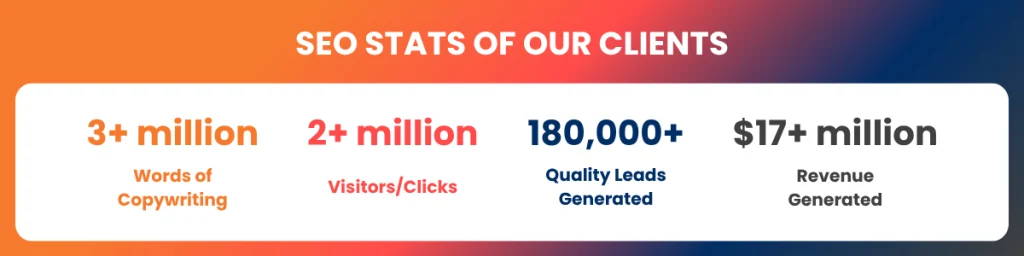
Partner marketing doesn’t have to feel like pulling teeth or navigating bureaucratic mazes alone. We help B2B companies develop channel strategies that unlock vendor funding, execute campaigns that convert, and build the reporting systems that prove ROI to everyone involved.
Our team knows what vendors look for in MDF proposals because we’ve helped our partners secure funding and deploy it effectively. Contact us now to discuss how we can help you access the marketing dollars sitting in your vendors’ budgets and turn them into a pipeline that closes.




11 Ways To Turn Marketing Dollars Into Revenue: Your Step-by-Step Playbook

Getting MDF approved feels like a win, but the real challenge starts when those marketing dollars hit your account. Too many partners treat allocated funds like free money to experiment with untested ideas, then wonder why vendors hesitate to approve future requests.
The partners who consistently access larger MDF investments are the ones who treat every campaign like their own cash is on the line, because reputation and future funding depend on proven results.
- Set clear, measurable goals before spending a dime
Define exactly what success looks like before you launch anything: specific lead targets, pipeline value, or closed deals from the campaign. Vague goals like “increase awareness” don’t cut it when vendors ask for results, and your sales team needs concrete objectives to prioritize follow-up activities properly.
- Align MDF activities with vendor’s strategic objectives
Review your vendor’s current priorities, product launches, and competitive positioning before designing campaigns. Marketing initiatives that directly support their strategic goals get approved faster, funded more generously, and position you as a strategic partner rather than just another reseller looking for handouts.
- Create detailed campaign plans with timelines and budgets
Map out every step from creative development through lead follow-up with specific dates and cost breakdowns. Detailed planning catches potential problems before you’re mid-campaign, and comprehensive documentation makes reimbursement claims sail through approval rather than bouncing back with questions.
- Track every lead source and attribute it to MDF campaigns
Implement tracking mechanisms that capture exactly which leads came from each marketing effort you funded with MDFs. Lead attribution proves campaign effectiveness to vendors while showing your internal team which marketing strategies deserve more investment and which need refinement.
- Use CRM integration to follow leads through to closed deals
Connect campaign tracking directly to your CRM so you can trace MDF-generated leads all the way through to revenue. Closed-loop reporting demonstrates that marketing dollars drove actual business results, not just vanity metrics that look good in PowerPoint decks.
- Implement performance metrics and KPIs from day one
Establish benchmarks and start measuring immediately when campaigns launch rather than scrambling to pull data together later. Real-time performance tracking lets you optimize campaigns mid-flight and catch underperforming elements before they waste the entire MDF investment.
- Document proof of performance for reimbursement
Collect receipts, screenshots, analytics reports, and campaign materials as you execute rather than trying to reconstruct everything weeks later. Thorough documentation speeds reimbursement and eliminates back-and-forth with channel managers who need to verify that funds were spent appropriately.
- Conduct post-campaign analysis to identify what worked
Run detailed post-mortems that examine cost per lead, conversion rates, sales cycle impact, and overall ROI against initial goals. Honest analysis reveals what to double down on and what to abandon, making your next MDF campaigns even more effective.
- Build feedback loops between sales and marketing teams
Create regular touchpoints where sales shares lead quality feedback and marketing adjusts targeting and messaging accordingly. Partner engagement between your internal teams ensures marketing campaigns generate leads that sales can actually close rather than wasting everyone’s time.
- Leverage data-driven decisions for future fund allocation
Use campaign performance data to inform which marketing activities deserve more budget in future quarters. Vendors approve larger allocations when you can point to specific ROI from previous investments rather than asking for funds based on hunches.
- Report results back to vendors to strengthen partnership
Share detailed results with your vendor partners even before they ask, highlighting wins and lessons learned transparently. Proactive reporting builds trust, demonstrates accountability, and positions you as a mature partner who deserves preferential treatment when funds are allocated.
Quality Over Quantity: How GEO Automates Weeding Out Unqualified Leads
As the numbers have been coming in over the past few years, there has been a trend of leads gained through AI optimization being fewer than leads gained through traditional SEO but have a much higher change of being a qualified lead than one gained from standard search engines. This is a result of the relationship that a buyer has with an AI search compared to a traditional search. Someone searching for a product with AI likely has had a back-and-forth conversation with their model before landing on your particular site and has already evaluated your services against a handful of others before deciding on you. To this end, it is especially important for AEO that your strengths are easily accessible to an AI agent, as when an AI is helping a potential lead assess your business, it will present what is easiest for it to find. This balance is the crux of AI Engine Optimization. The result is a reduction in parsing through unqualified leads and a quicker jump into a partnership with someone who has already researched your own products or services. For our own website (whystuffsucks.com), AI/LLM sessions are trending up 350% over previous YTD.When Lead Generation With MDFs Backfires: 12 Common Mistakes to Dodge
Even well-intentioned partners sabotage their own MDF programs through avoidable mistakes that damage vendor relationships and waste marketing resources. Understanding where others fail helps you sidestep the traps that turn promising campaigns into cautionary tales about what not to do with development funds MDFs.
- Launching campaigns without vendor approval first
Starting execution before getting official approval puts you on the hook financially if the vendor rejects your proposal or requests changes. Vendors won’t reimburse unauthorized activities no matter how brilliant your campaign performed, leaving you with great results and an empty wallet.
- Failing to track ROI and campaign performance metrics
Running campaigns without measurement systems makes it impossible to prove value or justify future funding requests. Performance metrics separate serious partners from amateurs, and vendors quickly stop investing in partners who can’t demonstrate concrete results from marketing dollars.
- Ignoring vendor brand guidelines and messaging requirements
Deviating from approved brand standards gets campaigns shut down mid-flight and damages your standing with vendor marketing teams. Co-op funds come with strings attached, follow the guidelines or risk losing access to future allocations and damaging the partnership.
- Missing reimbursement deadlines or proof of performance documentation
Late submissions or incomplete documentation delays payment and creates extra work for channel managers who remember when budget season rolls around. Administrative excellence matters just as much as campaign creativity when vendors decide which partners get priority access to limited MDF budgets.
- Spending funds on ineligible activities not covered by MDF
Assumptions about what qualifies for reimbursement leads to nasty surprises when vendors reject your claims. Review eligible marketing activities explicitly before spending, and get written confirmation if you’re proposing something outside the standard list.
- Poor lead follow-up after campaigns generate interest
Generating leads then letting them rot in your CRM wastes everyone’s investment and proves you’re not serious about revenue growth. Vendors track lead conversion rates, and partners who consistently fail to follow up properly find their MDF allocations shrinking quickly.
- Not aligning campaigns with sales team capacity to handle leads
Flooding your sales team with more leads than they can handle creates terrible customer experiences and demonstrates poor planning. Right-size your marketing campaigns to match sales capacity, or scale up gradually as you prove you can convert initial leads effectively.
- Choosing vanity metrics over qualified leads and pipeline
Celebrating reach, impressions, or website traffic without connecting those metrics to actual sales opportunities impresses nobody who controls marketing budgets. Focus on qualified leads, pipeline created, and revenue influenced, the metrics that actually matter to business objectives and vendor partners alike.
- Overcomplicating campaigns that partners can’t execute properly
Complex multi-channel campaigns requiring specialized expertise often collapse when internal teams lack the skills or bandwidth to manage them. Start with focused, executable marketing initiatives that play to your team’s strengths rather than stretching too thin and delivering mediocre results across every channel.
- Neglecting compliance and legal requirements for co-marketing
Overlooking industry regulations, data privacy laws, or vendor compliance requirements creates legal exposure for everyone involved. Marketing dollars aren’t worth the risk of regulatory fines or contract violations that could terminate your entire partnership agreement.
- Running one-off campaigns instead of integrated strategies
Disconnected tactical campaigns generate inferior results compared to coordinated marketing strategies that build momentum over time. Vendors prefer funding integrated approaches that create sustainable market presence rather than random acts of marketing that vanish without trace.
- Forgetting to communicate results back to the vendor
Silence after campaign completion makes vendors wonder if their investment delivered any value or if you’re hiding disappointing results. Transparent communication about outcomes, good or bad, demonstrates maturity and keeps you top-of-mind when new funding opportunities emerge.
MDF Programs Work Best When You Track These 11 Performance Metrics

Smart fund management separates partners who consistently secure larger allocations from those who struggle to access basic support. Tracking the right performance metrics proves your campaigns deliver real business value while providing the data needed to optimize future marketing strategies and strengthen your case for increased funding.
- Fund utilization rate (percentage of allocated funds actually used)
High utilization demonstrates you’re actively deploying marketing resources rather than letting allocated funds expire unused. Vendors interpret low utilization as disinterest or inability to execute, often reducing future allocations to partners who don’t maximize current investments.
- Cost per lead generated from MDF campaigns
Calculating cost per lead across different marketing activities reveals which channels deliver the most efficient lead generation. Lower costs per lead stretch marketing dollars further and provide compelling evidence that your campaigns outperform vendor benchmarks.
- Lead-to-opportunity conversion rate
Tracking what percentage of marketing-generated leads convert to sales opportunities shows lead quality rather than just volume. High conversion rates prove your targeting and messaging attract genuinely interested prospects rather than tire-kickers who waste sales team time.
- Pipeline value influenced by MDF activities
Measuring total pipeline value created by MDF campaigns demonstrates business impact beyond just lead counts. Vendors care more about potential revenue than raw lead numbers, making pipeline influence a critical metric for justifying continued investment.
- Customer acquisition cost (CAC) for MDF-driven deals
Calculating full acquisition costs for deals sourced through MDF programs shows true ROI including your time and overhead. Lower CAC through MDF leverage proves the shared funding model works better than going it alone with limited marketing resources.
- Return on investment (ROI) per campaign and overall program
Hard ROI calculations comparing revenue generated against MDF invested separate effective programs from resource drains. Positive ROI data becomes your strongest argument for increased allocations and expanded partnership investment from vendors.
- Time from campaign launch to first qualified lead
Measuring lead generation velocity helps set realistic expectations and identify which marketing activities deliver quick wins versus long-term plays. Faster time to qualified leads accelerates sales cycles and demonstrates campaign effectiveness to stakeholders watching for results.
- Partner participation and engagement rates
Tracking engagement across your partner ecosystem shows whether MDF programs successfully motivate collaborative efforts toward mutual success. Higher engagement indicates healthy partnership dynamics and effective enabling partners to execute joint marketing initiatives effectively.
- Sales cycle length for MDF-influenced opportunities
Comparing sales cycles for MDF-influenced deals against your baseline reveals whether marketing efforts actually accelerate purchases. Shorter sales cycles prove that marketing campaigns properly educate and warm prospects before sales conversations begin.
- Revenue generated directly attributable to MDF spend
Closed revenue tied directly to MDF investments provides undeniable proof that marketing dollars drive business results. Revenue attribution transforms MDF from a cost center into a clear growth driver that both you and your vendor can celebrate.
- Partner satisfaction scores with MDF program
Measuring satisfaction across your team reveals whether fund management processes support or hinder marketing execution. Strong satisfaction scores indicate smooth operations, while declining scores signal process problems that need addressing before they undermine program effectiveness.
Channel Partners Need to Know: 7 Common MDF Questions, Solved
Channel partners constantly wrestle with questions about how marketing development funds actually work in practice. Getting clear answers helps you avoid costly mistakes and maximize the value from every dollar of financial support your vendors provide.
- What’s the difference between MDF and co-op funds?
MDFs are typically discretionary funds vendors allocate based on proposals and strategic priorities, often available before revenue is generated. Co-op funds accumulate as a percentage of your sales revenue, usually 1-5%, and follow contractual terms established in your partnership agreement.
- How much MDF funding can my company typically access?
Funding amounts vary widely based on your partner tier, sales performance, market potential, and the vendor’s overall channel budget. Most programs allocate 2-6% of total channel revenue to MDFs, with top-tier strategic partners accessing significantly larger individual allocations than newer or smaller partners.
- Do I need to spend my own money first and get reimbursed?
Most MDF programs operate on reimbursement basis where you execute approved campaigns then submit documentation for payment. Some vendors offer pre-approved credits or partial pre-payment for established partners, but expect to front costs initially until you build track record and trust.
- What documentation do I need to provide for reimbursement?
Vendors typically require detailed receipts, campaign materials showing brand compliance, analytics reports demonstrating performance metrics, and proof that funds were spent on approved marketing activities. Keep meticulous records from day one rather than scrambling to reconstruct documentation when reimbursement claims are due.
- Can I use MDF for digital marketing and online campaigns?
Absolutely, digital campaigns including PPC, social advertising, email marketing, and content creation are increasingly popular MDF-funded activities. Digital initiatives offer superior tracking and performance measurement that vendors appreciate when evaluating program effectiveness and approving future requests.
- What happens to unused MDF funds at the end of the year?
Most allocated funds expire at fiscal year-end if not utilized, reverting back to the vendor’s budget rather than rolling forward. Plan your marketing campaigns throughout the year to maximize utilization rather than rushing to spend everything in Q4 when planning time is limited.
- Can I combine MDF from multiple vendors for one campaign?
Some partners successfully blend funding from multiple vendors for larger initiatives, but always get explicit written approval from each vendor first. Co-mingling funds without clear authorization violates most MDF agreements and can jeopardize your standing with all vendors involved.
Ready to Generate Leads That Convert? Partner With Us

Channel marketing gets complicated fast when you’re juggling multiple vendor relationships, MDF programs with different rules, and internal pressure to deliver results yesterday. We specialize in helping B2B companies navigate the partner ecosystem, secure maximum funding, and execute marketing strategies that actually fill your pipeline with qualified leads your sales team can close.
Our team has helped dozens of channel partners unlock hundreds of thousands in previously untapped MDF allocations. We know how to craft proposals that get approved, design targeted marketing campaigns that vendors love, and build the measurement systems that prove ROI convincingly. Stop guessing about what works and start leveraging proven frameworks that consistently deliver partner success.
The marketing dollars are sitting there in your vendors’ budgets right now. Contact us today to discuss how we can help you access those funds and deploy them toward revenue growth that benefits everyone.